



WATCH THE MASTERCLASS
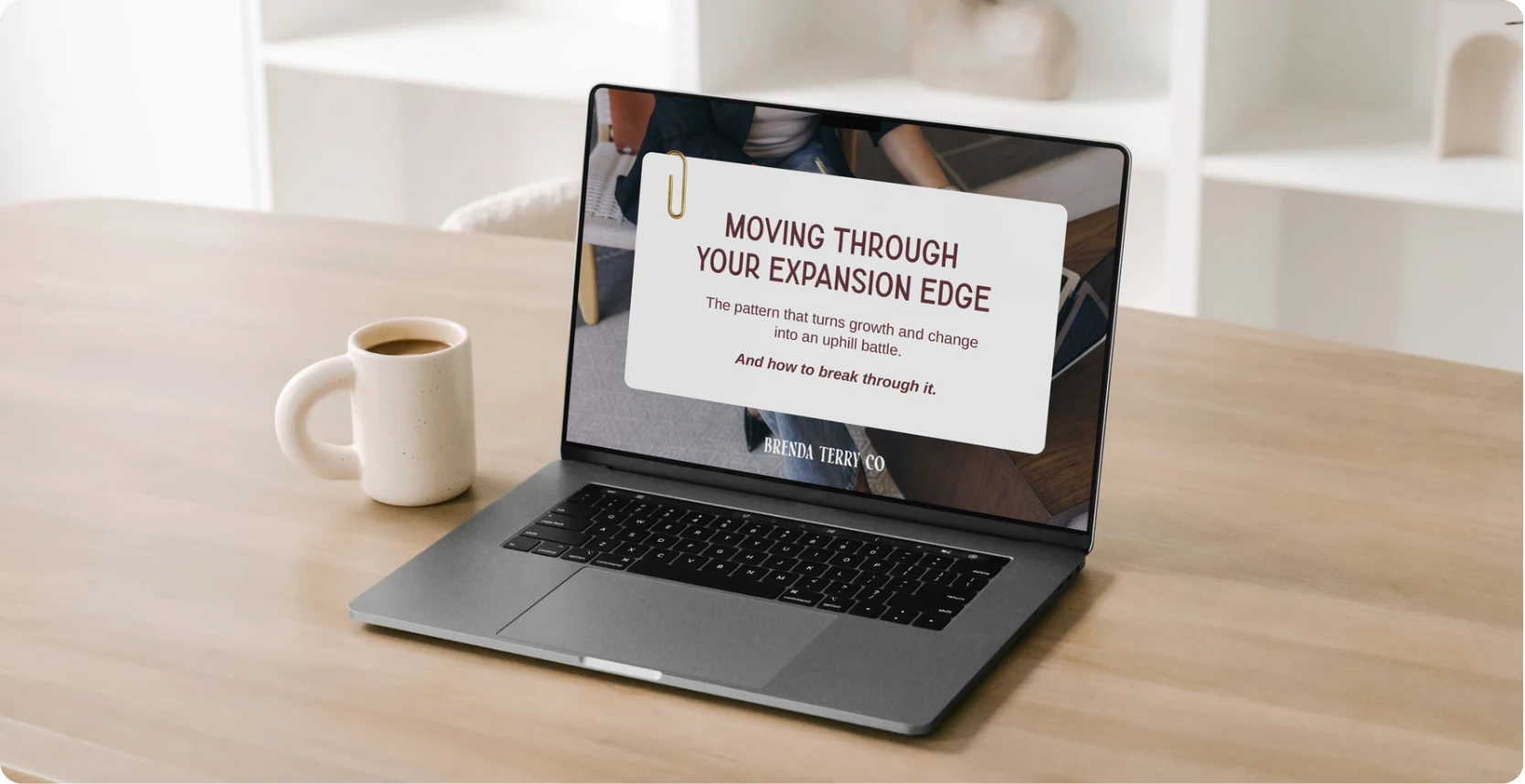
This free on-demand masterclass shows you why increased pressure, responsibility, or change can make what used to feel manageable take more out of you, what keeps that friction going, and how to move through it.

Before I turned 30, I became a single mother to a one-year-old and a four-year-old. Their father was largely absent, so the decisions were mine. So was the responsibility.
I had freedom. I had choice. I also had two small children depending on me while I learned how to support us.
There was no gradual handoff. No stable runway. No time to become ready. I moved because life required it, and I lived under tremendous stress while I did.
That experience gave me something I value deeply. I got to direct my own life. I got to make the decisions. I did it my way.
It also came with real trade-offs. My children grew up with less stability than I wanted for them, and some of those consequences lasted long after the immediate circumstances changed.
That was one of my earliest lessons in what choice can ask of a woman.
Sometimes choice arrives as possibility. Sometimes it arrives as a leap.
Either way, access to a different life doesn't guarantee that she is ready to build it, trust it, or sustain it.
I took the leap and I've got the scars to prove it.
But the wisdom took her sweet time to arrive.
A woman can start a business today with a laptop and a free afternoon. She can climb the same corporate ladder her father climbed. (The one they say is open to everyone now.)
For the women before us, access worked differently. A woman’s path to money, security, social standing, and opportunity often ran through marriage. Securing a good match could determine where she lived, what became available to her, and how much choice she had over what came next.
Being chosen well meant being desirable in the ways a man and his family valued. Beauty mattered greatly. So did warmth, usefulness, fertility, domestic skill, family standing, and her ability to become the kind of wife the arrangement required.
Women performed, not because it came naturally to them, but because it was required.
Being chosen created access. Access created choice. The choice simply moved through someone else first.
Then women began gaining access that didn't run through anyone else. They could study, work, open businesses, lead, and decide for themselves, just like men.
But while more doors opened for women, they didn't close anything on the other side.
She could go to work all day and still come home to cook dinner.
She could earn her own money and still need her husband's approval to spend it.
She could lead a team all day and still answer to one man the moment she walked through her own front door.
Today, the change is more pronounced.
More women are leading men, out-earning men, building companies, and making choices that used to require someone else's permission.
But the rules changing on paper doesn't mean everyone is on board.
A workplace may support her leadership until she leads like a man.
A husband may support her ambition until it shifts the balance of power at home.
A family may celebrate her business until she suddenly becomes less available.
She may believe she has a right to choose for herself. But there's a part of her asking if that choice makes her less good, less safe, or less loved.

For women in business, competence opens doors. Every room asks for something slightly different, and learning how to deliver it becomes part of the work.
Inside a company, that means staying composed and capable, careful about how much authority the room will accept.
Building something new means no map, no one deciding what happens next, and no guarantee the effort pays off.
At home, it means bringing warmth and presence, no matter what the day already took.
She becomes the woman who can lead, decide, solve, and deliver whatever each room requires. She gets so good at it that there are moments she goes looking for herself and comes up empty.
That emptiness comes from the middle, from reaching for one thing and losing the other.
The old system said someone would care for her and protect her. The new one said she could make her own way.
She wants the freedom, and she wants the care. Each one gives her something and takes something away.
Her grief comes from knowing there's no place she gets to be whole.
Living in the middle means holding two truths that don’t always agree with each other.

Having a choice and feeling able to use it don't always live in the same place.
The opportunity arrived first. Her relationship with it hasn't caught up.

Every room gets a version of her. She decides which one.
She isn't avoiding visibility. She's managing what gets to be seen.

Support can arrive. Receiving it can feel harder than doing it herself.
She hands over the task. She keeps responsibility for how it turns out.
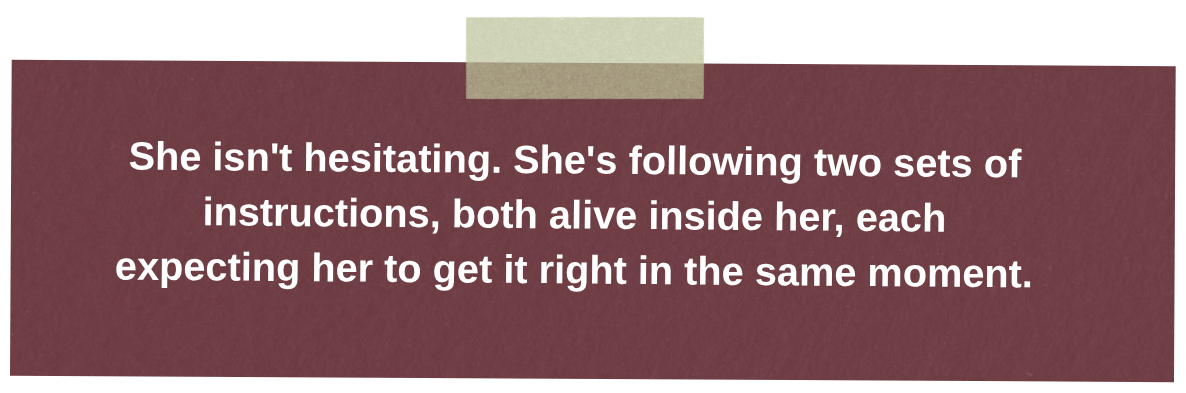
She isn't hesitating. She's following two sets of instructions, both alive inside her, each expecting her to get it right in the same moment.
She is building her life through one set of possibilities while still being measured by another set of rules.
Did you remain likable?
Did you stay available?
Did you take care of everyone?
Did you preserve harmony?
Did you remain grateful?
Did you stay desirable?
Did you make yourself easy to choose?
Did you speak?
Did you lead?
Did you earn?
Did you become visible?
Did you claim authority?
Did you build?
Did you choose?
Meet the requirements of two systems with competing priorities that reward opposing responses while continuing to manage what happens when those priorities collide.
And in spite of all of it, she builds a business, makes a life, creates a home, and finds pieces of herself inside all of it.

A woman doesn't change in isolation.
The people, relationships, and systems around her have already organized themselves around the version of her they know. The one who stays available. The one who handles it. The one who keeps the peace, makes the decision, fills the gap, or adjusts before anyone else has to.
When she begins responding differently, the arrangement changes with her.
A growing business changes how she uses her time. More income can shift the balance of power at home. A boundary changes who still has access to her. Accepting support changes who carries what.
Even the people who love her may need time to find their place inside the new arrangement.
So does she.
Her standards begin changing too. What once felt responsible may now feel like too much. What once felt selfish may begin feeling necessary. The version of success she worked so hard to reach may no longer fit the life she wants to live.
Change creates movement everywhere it touches.
At first, that can feel disruptive. Over time, the people and systems around her begin reorganizing around the woman she's becoming.
For women in business, making a home in the middle means choosing what belongs in the life she’s building now.
She gets to keep the care, warmth, loyalty, responsibility, and connection she values. She also gets to decide how much time, energy, money, attention, ambition, and rest her work gets to require.
She makes those choices inside a range.
She can raise the floor so difficult seasons don’t pull her as far from herself. She can lift the ceiling so greater leadership, visibility, responsibility, and growth become easier to sustain. And she can move anywhere in between as her life and the season require.
Because choosing doesn’t always mean bigger.
Sometimes it means growing the company. Sometimes it means simplifying the offer, changing the pace, earning differently, or deciding that success no longer gets every available part of her.
She can lead without living in armor. Receive support without giving away authority. Care deeply without becoming responsible for everything.
The middle becomes a home when she decides what enough looks like and builds from there.
And every woman watching sees another way is possible.
You can see the middle now. The inherited rules. The expanding choices. The two scorecards. And the life you’re trying to build between them.
The masterclass shows you what happens when what you’re reaching for asks more than your current range knows how to hold, and why friction can appear even when you know exactly what you want.
This Perspective gave you language for what you’re standing inside.
The masterclass gives you the structure and shows you what to do next.
It’s free, on demand, and ready for you right now.
I've spent decades studying human behavior, emotional adaptation, and the patterns that influence people’s lives.
For the last nine years, my focus has been almost entirely on women in business. Women who are leading, building, growing, and navigating rules they didn't consciously choose.
I created Breakthroughs Made Simple™ because I kept watching capable women hit invisible walls that had nothing to do with ability or effort. The visible problem changed. The deeper pattern often didn't.
I came to this work from lived experience.
Growing up, I learned early that access often moved through someone else. Someone else had the money, the authority, the ability to decide what happened next. I carried that understanding into adulthood, business, and motherhood.
I've spent years studying what happens when women gain more direct access, choice, and authority while an inherited system still pulls them toward rules they didn't choose.
That's what this work is built from.
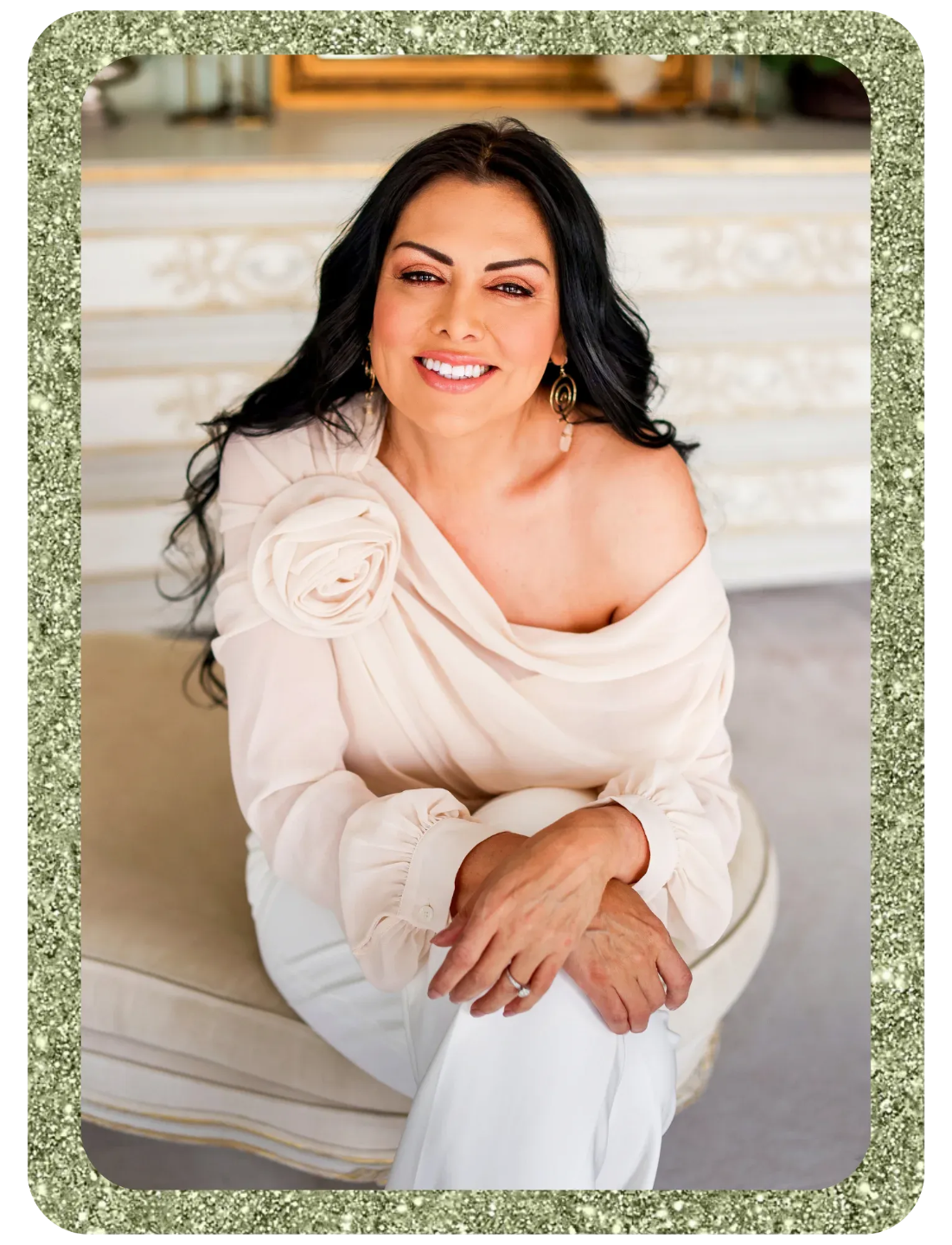
Founder and Creator of Breakthroughs Made Simple™

004 | WHAT COMES AFTER YES
READ IT002 | THE INVISIBLE SECOND SHIFT
READ IT001 | WHAT WOMEN IN BUSINESS QUIETLY CARRY
READ IT
Get started today before this once in a lifetime opportunity expires.